DIY Woodworking Punisher Chair Project: How to Build Your Own

Project Blueprint Details
Stop guessing measurements. Get the exact cut lists and 3D diagrams to finish this project without mistakes.
ACCESS COMPLETE PROJECT VAULT >>If you’re into woodworking and looking for your next creative project, why not build a Punisher-inspired chair? This unique and sturdy chair takes its inspiration from the Punisher, the Marvel vigilante known for his no-nonsense attitude and strong presence. Building your own Punisher chair is not only a fun and fulfilling DIY woodworking project but also a great way to challenge your skills. Whether you’re an experienced woodworker or just starting out, this project is achievable with the right tools, materials, and instructions.
In this article, we’ll walk you through the process of building a Punisher chair and guide you on the best types of wood to use, as well as the essential tools you’ll need to complete the project. Let’s get started!
Choosing the Right Wood and Tools for Your Punisher Chair
Before diving into the construction process, it’s important to select the appropriate materials and tools. For a sturdy and long-lasting Punisher chair, you need to pick the right kind of wood. Here’s what you should know:
Types of Wood
- Oak: A durable hardwood, perfect for outdoor or indoor use. Oak is ideal for a robust chair that can withstand wear and tear.
- Pine: This softer wood is easier to work with, making it a good choice for beginners. Pine is also less expensive and still offers a beautiful finish.
- Cedar: If you’re planning on placing your chair outdoors, cedar is naturally weather-resistant and lightweight, making it a great option for outdoor furniture.
- Walnut: Walnut is a premium hardwood that adds a touch of elegance to any project. Though more expensive, it’s extremely durable and offers a rich finish.

Essential Tools
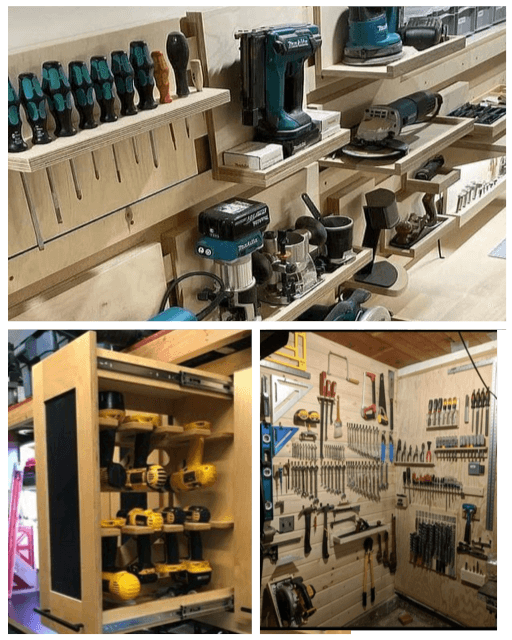
Here’s a list of tools that you’ll need for this DIY woodworking Punisher chair project:
- Measuring Tape: Accuracy is key when cutting wood to size.
- Table Saw or Circular Saw: For making clean and precise cuts.
- Jigsaw: Used for detailed cutting, especially for creating the Punisher skull emblem.
- Power Drill: To pre-drill holes for screws and bolts.
- Sander: A smooth finish is important; a power sander will speed up this process.
- Wood Clamps: Essential for holding pieces together while the glue dries.
- Wood Glue: Ensures a strong bond between wood pieces.
- Screws and Bolts: Choose rust-resistant hardware for outdoor projects.
- Wood Finish or Stain: Adds protection and enhances the appearance of the wood.
- Punisher Skull Stencil: Optional but highly recommended for the Punisher aesthetic.
How to Build Your DIY Punisher Chair: Step-by-Step Guide
Now that you’ve gathered all your materials and tools, it’s time to build your Punisher chair. Follow these 20 steps to create your custom chair:
1. Prepare Your Work Area
Clear a space where you can safely work, preferably in a well-ventilated area.
2. Measure and Cut the Frame Pieces
Measure and cut the wood for the chair’s legs, seat, and backrest. Use oak or pine for these larger pieces to ensure strength.
3. Assemble the Base of the Chair
Start by building the base of the chair. Attach the front and back legs to the seat using screws and wood glue for added stability.
4. Cut the Backrest
Use a jigsaw or circular saw to cut the backrest to the desired height. A standard backrest height is around 20 to 24 inches.
5. Shape the Seat
Cut the seat to size, ensuring it’s comfortable for sitting. You can create slight curves for ergonomic comfort using a jigsaw.
6. Attach the Backrest
Screw the backrest to the seat and the rear legs. Ensure that it’s firmly attached, as it will need to support the weight of the person sitting.
7. Create Armrests
Cut two armrests and attach them to the sides of the chair. Make sure they are comfortable and positioned at a height suitable for resting arms.
8. Sand All Surfaces
Use a power sander to smooth all surfaces of the chair, paying special attention to corners and edges to prevent splinters.
9. Apply the Punisher Skull Design
Trace or use a stencil to apply the Punisher skull emblem on the backrest. Use a jigsaw to cut out the skull shape for an iconic look.
10. Smooth the Skull Cutout
Sand the edges of the skull cutout to make sure it’s smooth and free of splinters.
11. Pre-Drill Holes for Bolts
Pre-drill holes where you’ll insert the bolts to ensure the wood doesn’t split when the bolts are tightened.
12. Attach the Cross Supports
Add cross supports between the chair legs for added stability. Use screws and wood glue to hold them securely in place.
13. Secure All Joints
Go over the chair and tighten all screws and bolts. Reinforce any weak points with additional screws or wood glue.
14. Test the Chair for Stability
Gently rock the chair back and forth to ensure it’s stable and doesn’t wobble. Make adjustments if necessary.
15. Apply Wood Stain or Paint
Choose a stain or paint color that fits the aesthetic you want. If you’re placing the chair outdoors, opt for an outdoor-grade stain.
16. Apply a Protective Finish
Apply a sealant or polyurethane finish to protect the wood from weather damage or wear. Let it dry completely.
17. Re-Sand if Necessary
If the finish raises the grain of the wood, lightly sand it with fine-grit sandpaper for a smoother texture.
18. Add Seat Cushions (Optional)
For extra comfort, you can add removable cushions that match the Punisher theme.
19. Inspect the Chair
Once it’s finished, give the chair a final inspection to ensure all components are secure and smooth.
20. Enjoy Your Punisher Chair!
Your Punisher chair is now complete! Place it in your favorite spot, whether inside or outside, and enjoy your new custom-made piece of furniture.

Building your own Punisher chair is a rewarding woodworking project that combines functionality and creativity. With the right materials, tools, and attention to detail, you’ll have a one-of-a-kind chair that pays tribute to the iconic Punisher character while showcasing your woodworking skills.
Project Blueprint Details
Stop guessing measurements. Get the exact cut lists and 3D diagrams to finish this project without mistakes.
ACCESS COMPLETE PROJECT VAULT >>


No Comments
Be the first to start a conversation